

3-Pack – Nattokinase Systemic Enzymes, 60 Capsules
$119.85 Original price was: $119.85.$88.97Current price is: $88.97.
47 in stock
How Systemic Enzymes Break Down Protein Buildup
Hey Everyone!
It includes our Serrapeptase and our Nattokinase.
All forms of enzymes, whether it’s nattokinase, serrapeptase or even digestive enzymes have a miraculous effect on the body when you take them on an empty stomach…
See, normally, everything that we intake into our system has a positive ’obstruction value’ on our bodies.
Let me explain.
Everything that you intake into your body, the body has to process it. The more processing that the body has to do, the more damaging it is to your system, and the higher the obstruction value is. For example, if you eat a piece of cake, the obstruction value is high. If you eat a piece of fruit the obstruction value is much lower.
Everything that we intake has some sort of positive obstruction value.
Except one thing.
You guessed it, that’s Enzymes.
What’s crazy is that enzymes are the only elements in the world that has a negative obstruction value.
Instead of adding obstruction to the body like everything else, enzymes do the opposite and take the obstruction away.
It’s like, instead of bulk entering your system that the body has to process, enzymes have a ’dissolving effect’ that takes bulk away.
When you take them on an empty stomach, there is no food to dissolve. Therefore it dissolves and takes other bulk garbage away.
Systemic enzymes just dissolve so many bad things in their pathway. I sometimes even feel them cut mucus.
In fact at the studies here, and here, it shows serrapeptase’s ability to thin mucus, as evidenced by reductions in sputum or nasal mucus viscosity.
How does this dissolving effect actually work…
Enzymes like serrapeptase, nattokinase, and other proteolytic enzymes cut protein chains apart through chemical reactions. Many substances in the body, such as fibrin, thick mucus, damaged tissue, and certain inflammatory debris, are made of long chains of proteins. These enzymes attach to those protein structures and break the bonds holding them together, splitting large proteins into smaller fragments called peptides and amino acids. Once broken down into these smaller components, the body can more easily transport and remove them through normal circulation and lymphatic processes.
When you take systemic enzymes, additional enzymes are present, allowing more of these protein bonds to be broken at one time. Otherwise, without these additional enzymes, many of those extra breakdown reactions would not have taken place during that same period of time.
The more enzymes you consume, the more chemical reactions take place. I remember one raw food doctor who used to recommend them to his patients in extremely high dosages (tablespoons) on an empty stomach in order to expedite the process of dissolving abnormal growths. Please speak with a doctor before doing something like this.
When an enzyme breaks down one of these protein materials in the body—such as fibrin, thick mucus, or damaged tissue—it does not get used up in the process. The enzyme remains active and ready to break down another protein bond. This means a single enzyme can continue breaking down protein structures over and over again. Therefore, when you take a couple capsules of these systemic enzymes, it’s like throwing in an army of hundreds of additional protein-breaking enzymes into your body, allowing more protein material to be broken down at one time and speeding up these normal cleanup processes.
We have many enzymes in the human body, which are designed to do many different things. For example, our digestive enzyme blend consists of all the enzymes involved in digesting food. Science simply duplicated digestive enzymes in order to help people improve their digestion. Systemic enzymes on the other hand, specialize in many other healing processes in the human body. For example, when they were researching to try to duplicate thrombolytic enzymes in order to dissolve dangerous blood clots, they found that after testing more than 200 natural foods that natto possessed a substance (Nattokinase) with a potency matched by no other enzyme for dissolving these blood clots.
It’s similar to how they discovered Serrapeptase. They discovered that Serrapeptase, which is synthesized by the silkworm, dissolves its strong fibrin-rich cocoon before it emerges as a moth. Due to its strength and its natural design for dissolving the fibrous tissue of the cocoon, Serrapeptase has been very therapeutic in the treatment of fibroids, scar tissue, systemic inflammation, and related pain. Nattokinase and Serrpeptase are two of the most effective therapeutic systemic enzymes available on the market.
Research shows that both Serrapeptase and Nattokinase possesses significant anti-inflammatory properties. They are both also known as proteolytic enzymes, which simply means that they “eat” or dissolve proteins in the body that do not serve a healthy purpose. Furthermore, they both also have fibrinolytic (fibrin dissolving) properties.
Fibrin is an insoluble protein necessary for proper blood clotting. Healthy levels of fibrin are required for blood coagulation and a functioning cardiovascular system. However, unhealthy levels of fibrin can build up in the body when we simply have any kind of inflammation, tissue damage/trauma, immune challenges, abnormal cell growth, acute coronary syndrome, cardiovascular events, or inflammatory conditions. Excessive fibrin build-up in the body can impair normal blood flow which may lead to increased blood viscosity, swelling, edema, pain, inflammation and more serious cardiovascular problems. These enzymes break down fibrin and other damaged tissues necessary for circulatory and cardiovascular health.
Resolving issues of excess fibrin and scar tissue may have a tremendous impact on pain and discomfort related to joint pain, GI conditions, cardiovascular health, women’s reproductive health, and any chronic condition related to inflammation. The proteolytic nature of these enzymes allows and helps the body to naturally repair and maintain homeostasis; this is due to its ability to dissolve dead and damaged tissue, a by-product of the healing response.
These systemic enzymes also dissolve other rogue proteins, which can be a result of an inflammatory process that has moved from being productive to unproductive. Rogue proteins can also be a result of an auto-immune condition that is unregulated and causing damage to healthy tissues, or it can also be unwanted microbes causing chaos within the body.
These rogue proteins cause all sorts of damage when not kept under control, particularly resulting in neurological age-related cognitive decline. These systemic enzymes have the potential to simply dissolve them. At the clinical study here, they concluded that both Serrepeptase and Nattokinase may have a therapeutic application in the treatment of age-related memory decline. Other studies show that a similar therapeutic proteolytic enzyme, which also dissolves protein, actually dissolved amyloid plaque that accumulates in the organ and cause toxicity in age-related memory decline.
If you want a clean blood stream, which will support better oxygen, blood flow, healing, and so much more, these Systemic Enzymes may be just for you. They are also widely known for helping the immune system respond to chronic or acute injury, they help against immune challenges, and help in recovery after surgery.
While both of these Systemic Enzymes are similar on so many levels, let’s take a look at the main differences between the two. Due to its strength and its natural design for dissolving the fibrous tissue of the silk worm cocoon, Serrapeptase’s anti-inflammatory effects are widely believed superior to other proteolytic enzymes. This is due to its ability to dissolve the fibrous and/or scar tissue related to the inflammation. Another primary benefit of Serrapeptase is the reduction of pain attributed to the enzyme’s ability to block the release of pain-inducing amines from inflamed tissues. In fact, physicians in Europe and Asia use Serrapeptase as an alternative to aspirin, ibuprofen, and other NSAIDs.
The same way Serrapeptase successfully targets excess tissue in the form of fibroids and scar tissue, Nattokinase is especially therapeutic when targeting thrombi in the cardiovascular system. Nattokinase really manages arterial plaque buildup by helping to lower inflammation within the cardiovascular system.
At the clinical study here, daily Nattokinase supplementation was remarkably better at reducing plaque size (36.6% plaque reduction) that causes hardening of the arteries (atherosclerosis) compared to statin treatment (11.5% plaque reduction) in 82 patients. Both Nattokinase and Statin treatments reduced total cholesterol LDL (the “bad” cholesterol), and triglycerides. However, only nattokinase consumption increased HDL (the “good” cholesterol).
For cardiovascular support, you will probably want to choose Nattolkinase. Keep in mind though that Nattokinase, in particular, is very successful at improving blood flow and volume. Its use should be carefully considered and monitored if a person is being treated for blood coagulation problems. It should not be used by persons currently taking a prescription blood thinner, unless under the supervision of a healthcare provider. Speak with your doctor before taking either of these products.
I hope that I gave you enough information for you to decide which Systemic Enzyme is best for you. You may want to take both kinds of Systemic Enzymes so you can reap the benefits of each. Maybe instead of taking two caps of one, you can take 1 cap of each, or 2 caps of Nattokinase one day, and 2 caps of Serrapeptase the next day, or you can just double up on everything, lol.
Thanks everyone for your support!
Sincerely,
Matt
RELATED PRODUCTS
Related products
-
Sale!
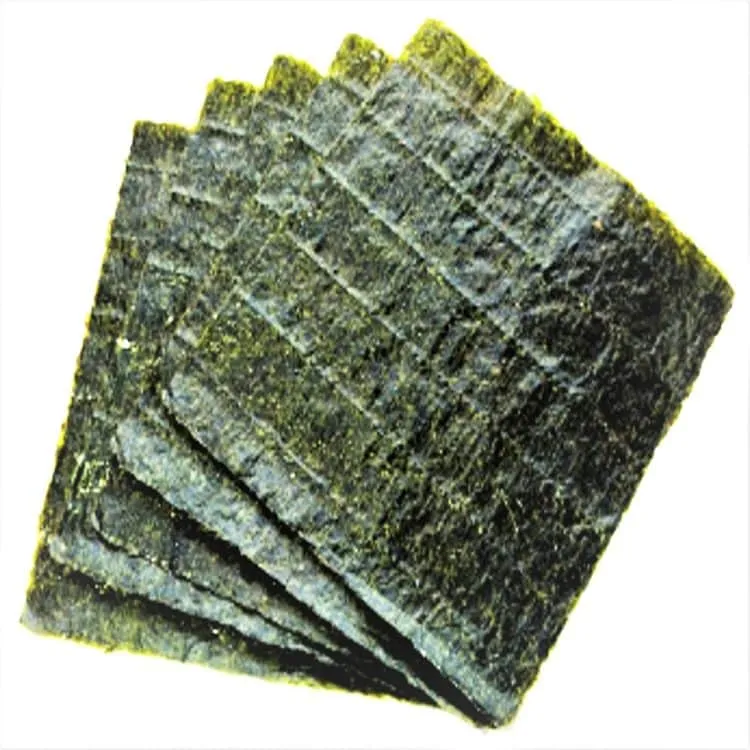
Organic Untoasted Nori Sheets – 50 Sheets
$29.95Original price was: $29.95.$28.95Current price is: $28.95. Add to cart -
Sale!

Bacopa Powder, 2oz
$19.97Original price was: $19.97.$12.97Current price is: $12.97. Add to cart -
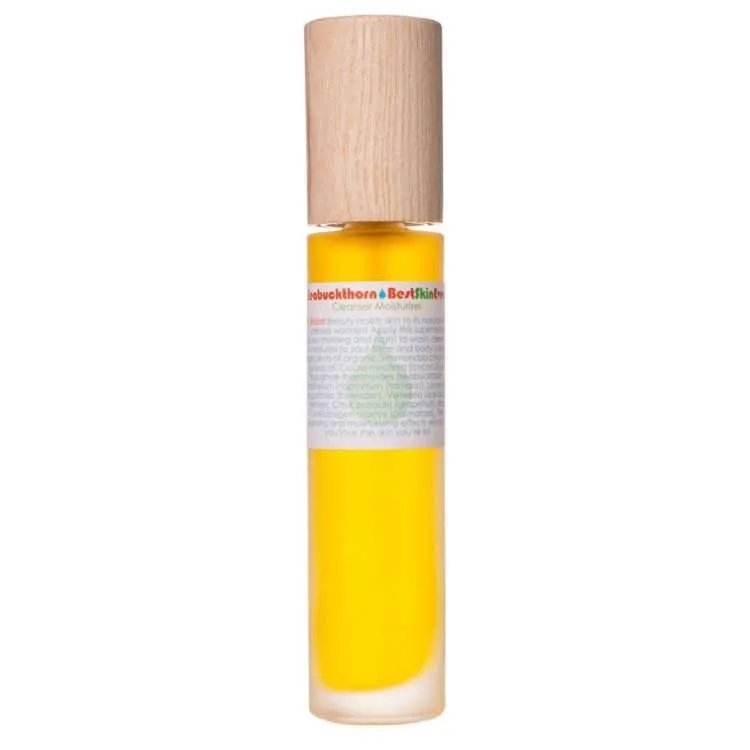
Best Skin Ever, 50ml – Seabuckthorne
$47.00 Add to cart -
Sale!
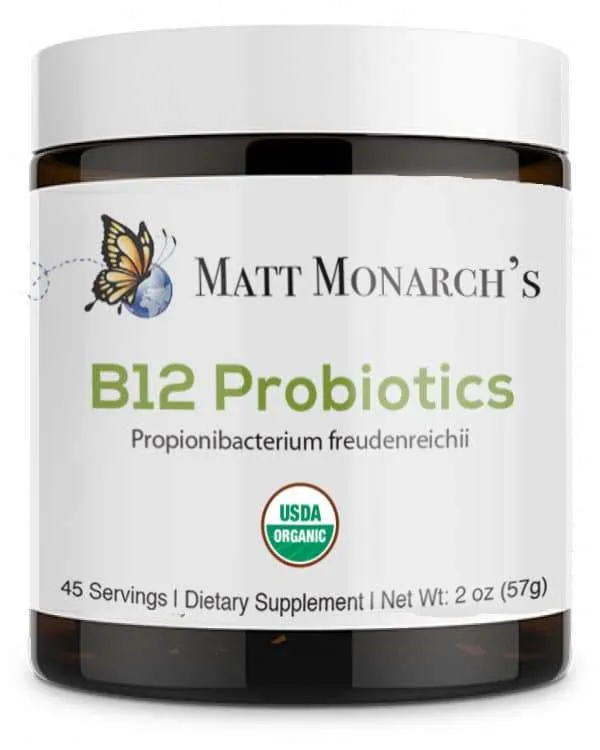
B12 Probiotics
$49.95Original price was: $49.95.$39.95Current price is: $39.95. Add to cart