


Organic Sunflower Lecithin, 8oz
$25.95 Original price was: $25.95.$22.95Current price is: $22.95.
72 in stock
Why I Take Sunflower Lecithin Every Evening
Hey Everyone!
I’m always doing what I can behind the scenes to make these deals happen when possible.
I personally take our Sunflower Lecithin every single evening with my dinner for multiple reasons as you will see below—and I’ve also included some new insights that help explain why it can make such a noticeable difference over time.
Our Sunflower Lecithin could make the difference in maintaining sharp memory and cognitive function as the years go by.
It contains two critical nutrients needed for the optimal functioning of the brain; Choline and Phospholipids.
In fact, choline is a major precursor to the number one brain neurotransmitter Acetylcholine, which is involved in learning and memory. Acetylcholine transmits nerve impulses and is essential for optimal brain function, learning, and memory.
If we are deficient in choline, then our acetylcholine neurotransmitters are going to be lacking in their required precursor building blocks.
At the study here, they actually found that a higher intake of choline was linked to improved cognitive function.
At another study here, they showed that choline supplementation helped improve memory function in older adults with poor memory.
Lastly, at the study here, it’s titled “Natural lecithin promotes neural network complexity and activity”, and it shares how lecithin is rich in various fatty acids that have been shown to support nervous system function and structure, including enhancing neuronal development.
Choline is considered a critical essential nutrient, and the recommended daily value of choline is a whopping 550mg’s per day.
Unless you are eating 4 eggs a day, 4oz of beef liver, or 7.5oz of chicken liver, it is very difficult to get your daily required value of 550mg’s of Choline per day.
For example, after these top 3 choline-rich foods mentioned above, the next top three sources of choline are Salmon, beef, and chicken breast. You would need to eat about 22oz of salmon, beef, or chicken in order to get your Daily Value choline levels met. That’s a lot!
For vegans and vegetarians, it’s nearly impossible to get your daily value of dietary choline, unless you eat 5.5 cups of cooked soybeans, or about 10 large baked red potatoes. You can do half and half I suppose.
It can just be very difficult for many people to get their daily value of choline, which is an essential nutrient for our brain.
This is where our Sunflower Lecithin comes into play.
Literally, 1 1/3 tablespoon of our Sunflower Lecithin contains 325 – 375mg of choline!
So you can take 1 1/3 tablespoons of our Sunflower Lecithin, which would give you the same amount of choline that you would get from 6 – 7 large red potatoes, which is the top vegan non-soy food for choline.
With 2 tablespoons of our Sunflower Lecithin, you will practically get all of the choline that you need in a day. If you eat other choline-rich foods, you can take even less to meet your daily requirements. I take a heaping teaspoon every night, because I’m eating four egg yolks a day.
One woman commented on my Sunflower Lecithin video on Facebook, “I put it in my coffee, and it gives it a sweet, nutty flavor!”
And for those wondering, adding sunflower lecithin to hot drinks like coffee does not significantly damage the choline—it’s quite heat-stable and easily tolerates normal cooking and beverage temperatures.
Sunflower Lecithin has more choline compared to any other food on the planet, and it is the most pure organic source of dietary choline.
In fact, clinical research has shown that lecithin produces greater and more sustained increases in circulating choline levels compared to taking choline by itself. In one clinical study here, when subjects took choline chloride, blood choline levels rose about 86% but returned to baseline within about 4 hours. However, when they took lecithin, serum choline levels increased by roughly 265% and remained elevated for nearly 12 hours. Researchers concluded that lecithin may be a preferred way to increase acetylcholine synthesis because it raises circulating choline more effectively. Follow-up research here has also shown that lecithin supplementation can significantly increase plasma choline levels compared with normal diets.
The key here is that you are getting absorbable choline and organic phospholipids, which is actually useable by the brain, glands, and body. This super fresh Organic Sunflower Lecithin that we have for you today, is perfect for the job.
At the clinical study here, lecithin increases choline plasma by 2x’s or more in the human body. In contrast, choline deficient diets lead to a reduction of the choline plasma levels by about 50%. This study goes on to say, “Choline is considered an essential nutrient, which is predominantly supplied as phosphatidylcholine (lecithin). For a long time, neuroscientists have been intrigued by the fact that choline is a precursor for the biosynthesis of both acetylcholine (ACh) and phospholipids. For 50 years, lecithin has been marketed in Europe as a drug that was claimed to prevent exhaustion of membrane phospholipids in the Central Nervous System and therefore could reinforce “neuronal strength.”
So while lecithin has long been considered a kind of “neuronal support nutrient” for the brain, its benefits extend far beyond the nervous system—reaching deeply into the health of our gut as well.
In fact, Sunflower Lecithin is one of the best foods for supporting the gut, which many people now call the “second brain.”
Firstly, Sunflower Lecithin is extremely gentle on the system. It kind of reminds me of Slippery Elm Bark in some way. However, what it does for our gut is so much more.
As seen at the clinical study here, Lecithin was shown to account for more than 70% of the total phospholipids within the intestinal mucus layer. As you will see below, Sunflower Lecithin helps in forming the protective barrier of our intestines, in order to prevent the invasion of harmful bacteria. This would be incredibly beneficial for gut irritation, IBD patients, and even leaky gut.
In fact, according to this study above, the mucus content of this phospholipid barrier is decreased by about 70 percent in those with gut irritation, potentially opening the door to dangerous microbes and increasing the risk of intestinal inflammation. They had success supplementing with lecithin, which substituted the missing mucus phosphatidylcholine content in gut irritation. They now await a phase III authority drug approval trial.
A second trial here, with 60 chronic-active, steroid-dependent gut irritation patients was conducted to test for steroid-sparing effects. 50% of the Lecithin-treated patients achieved remission getting off of steroids completely. Only 10% of the Placebo group had this type of remission. They concluded that the reduction of lecithin in the colonic mucus protective barrier may be a key pathogenetic feature of gut irritation. Supplementation of Lecithin by a delayed-released oral Lecithin preparation is effective in resolving inflammatory activity of gut irritation, and may develop to a first-choice therapy for this health challenge.
While that trial used a delayed-release lecithin designed to deliver phosphatidylcholine directly to the colon for a more targeted therapeutic effect, regular dietary lecithin, through normal digestion and absorption, still provides the same phospholipid building blocks that help nourish and maintain the gut’s protective mucus barrier, as demonstrated in the first study above.
So not only does lecithin provide the building blocks for Acetylcholine and help support the protective mucus layer of the gut, it also plays a fundamental role at an even deeper level—it provides the very building blocks that make up your cellular membranes.
Every single cell in your body is wrapped in a membrane—a protective barrier and communication hub. These membranes control what enters and exits the cell, allowing nutrients to come in, toxins to be kept out, and waste to be removed efficiently, while also enabling cells to communicate with each other through hormones, neurotransmitters, and immune signals.
When the body is not getting enough of the key phospholipids that support these membranes, the transport of nutrients into the cell and the removal of waste out of the cell becomes less efficient.
This creates a situation where cells are both underfed and toxic, leading to reduced energy production, slower recovery, and increased stress on the system.
But it doesn’t stop there…
When the body is lacking these key phospholipids, cellular membranes can become more rigid and inefficient. This rigidity interferes with the tiny receptor sites on the cell surface that are responsible for receiving signals from hormones, neurotransmitters, and other cells.
As a result, messages can be sent throughout the body but are not properly received or responded to at the cellular level.
When this happens, critical systems throughout the body begin to break down. Hormonal signals such as insulin, thyroid hormones, and cortisol are not properly received, leading to blood sugar instability (energy crashes, cravings), low energy, slower metabolism, and a weakened stress response (burnout or feeling wired/tired). At the same time, neurotransmitter signaling becomes less efficient, which can show up as brain fog, poor focus & memory, slower reaction time, and reduced coordination between the brain and body.
The immune system can also become dysregulated, either overreacting and contributing to chronic inflammation, or underperforming and leaving the body more vulnerable. In addition, signals responsible for cellular repair and regeneration are weakened, leading to slower healing, increased wear and tear, and contributing to premature aging. Even mitochondrial signaling begins to decline, reducing the cell’s ability to efficiently produce ATP, which can lead to chronic fatigue, low endurance, and feeling drained even with rest.
These same phospholipids are not only the building blocks of your cellular membranes—they are also critical components of your nervous system, playing an essential role in its structure, protection, and overall performance, where fast and precise communication is vital.
Your brain, spinal cord, and entire network of nerves rely on a fatty insulating layer known as the myelin sheath. This sheath surrounds each nerve cell and allows electrical signals to travel rapidly and efficiently throughout the body.
These myelin sheaths are made largely of phospholipids and cholesterol—the very same building blocks supplied by lecithin.
When the body is well-supplied with these nutrients, nerve cells are able to transmit signals quickly and clearly, supporting sharp thinking, strong memory, fast reflexes, and precise coordination between the brain and body.
However, when phospholipid levels are insufficient, this protective layer can begin to weaken.
As a result, nerve signaling can slow down and become less efficient. Messages from the brain may not travel as quickly or as clearly, leading to brain fog, slower processing speed, reduced focus, and diminished coordination.
Over time, this can place additional stress on the nervous system and reduce its ability to function optimally, contributing to mental fatigue, decreased resilience, and gradual cognitive decline.
As mentioned earlier, lecithin provides choline, which is used to produce Acetylcholine—one of the most important neurotransmitters in the body. But within the nervous system, this becomes especially critical, as acetylcholine is directly responsible for transmitting signals between nerve cells.
When acetylcholine levels are supported, communication throughout the nervous system becomes faster and more efficient, further enhancing mental clarity, focus, memory, and overall cognitive performance.
Taken together, this is why lecithin is so foundational—it supports both the structure of your cells and the speed and clarity of communication throughout your entire body.
When you look at the big picture, lecithin is not just another nutrient—it is one of the most foundational building blocks for how your body functions on a daily basis. From helping maintain strong, flexible cellular membranes, to supporting the production of Acetylcholine for memory, learning, and brain function, to supporting the protective barrier of the gut, to fueling efficient nervous system communication, it plays a role in keeping your body running smoothly at nearly every level.
When these systems are supported, the benefits tend to show up in ways you can actually feel—more stable energy, clearer thinking, better focus, improved resilience, and a greater sense that your body is working with you instead of against you. And when you consider how difficult it is for most people to get enough choline and phospholipids through diet alone, it becomes clear why something as simple as adding high-quality Sunflower Lecithin can make such a meaningful difference over time.
Sunflower Lecithin is widely considered superior to soy lecithin, since soy can predispose some individuals to allergic reactions and potential hormonal concerns. Sunflower lecithin, on the other hand, is naturally non-GMO and is generally regarded as the cleaner and safer source of lecithin.
Our product contains nothing but 100% pure Certified Organic Raw Sunflower Lecithin. Many lecithin products on the market are extracted using harsh chemical solvents such as hexane. In contrast, ours is produced through a simple cold-press process from organic sunflower seeds—without the use of any harsh chemicals.
Thanks everyone for your support!
Sincerely,
Matt
RELATED PRODUCTS
Related products
-
Sale!

Spirulina Tablets, 1000 Tablets
$38.95Original price was: $38.95.$34.95Current price is: $34.95. Add to cart -
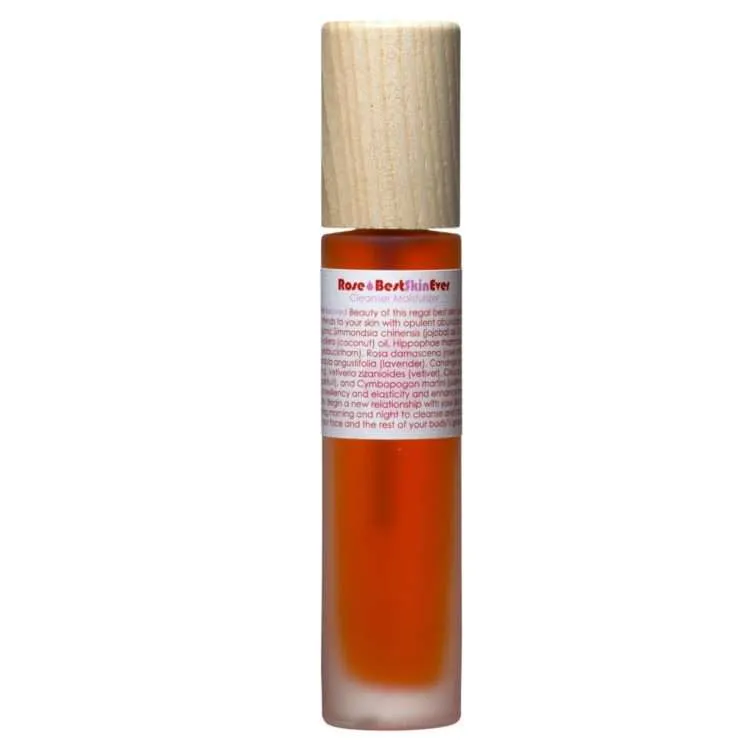
Best Skin Ever, 50ml – Rose
$47.00 Add to cart -
Sale!

Tribulus Terrestris Powder, 2oz
$18.97Original price was: $18.97.$12.95Current price is: $12.95. Add to cart -
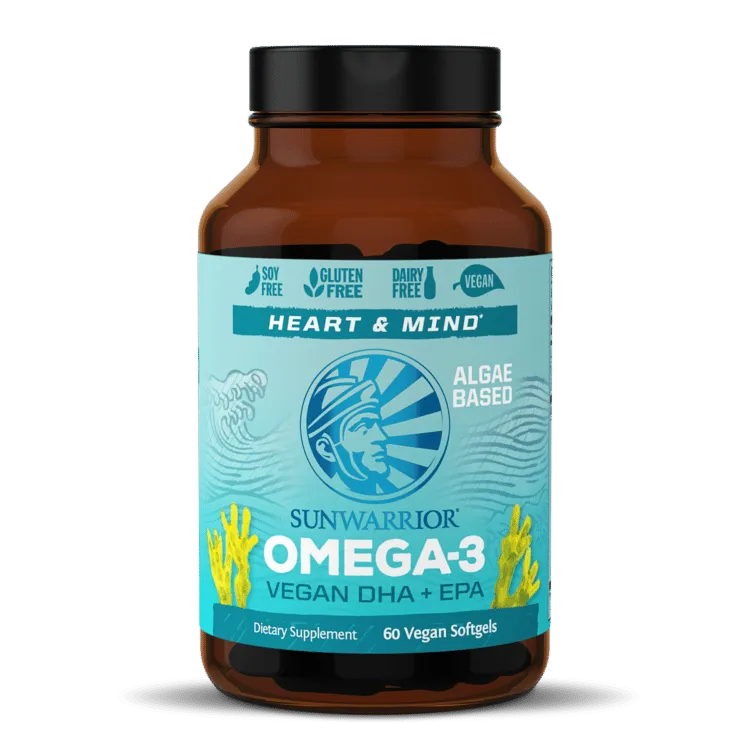
Omega-3 – Vegan DHA and EPA (SW)
$42.97 Read more